




When it comes to home improvement, installing or replacing garage doors might seem like a big job. However, it is often much simpler than people think. One important part of the process is installing garage door rollers. These small but strong wheels make your garage door open and close smoothly every day. If you maintain and install them properly, they can last for years and help your garage door work quietly and efficiently.
In this guide, you’ll learn everything you need to know about garage door rollers — what they are, the types available, how to install them yourself, and how to keep them in perfect condition.
What Are Garage Door Rollers?
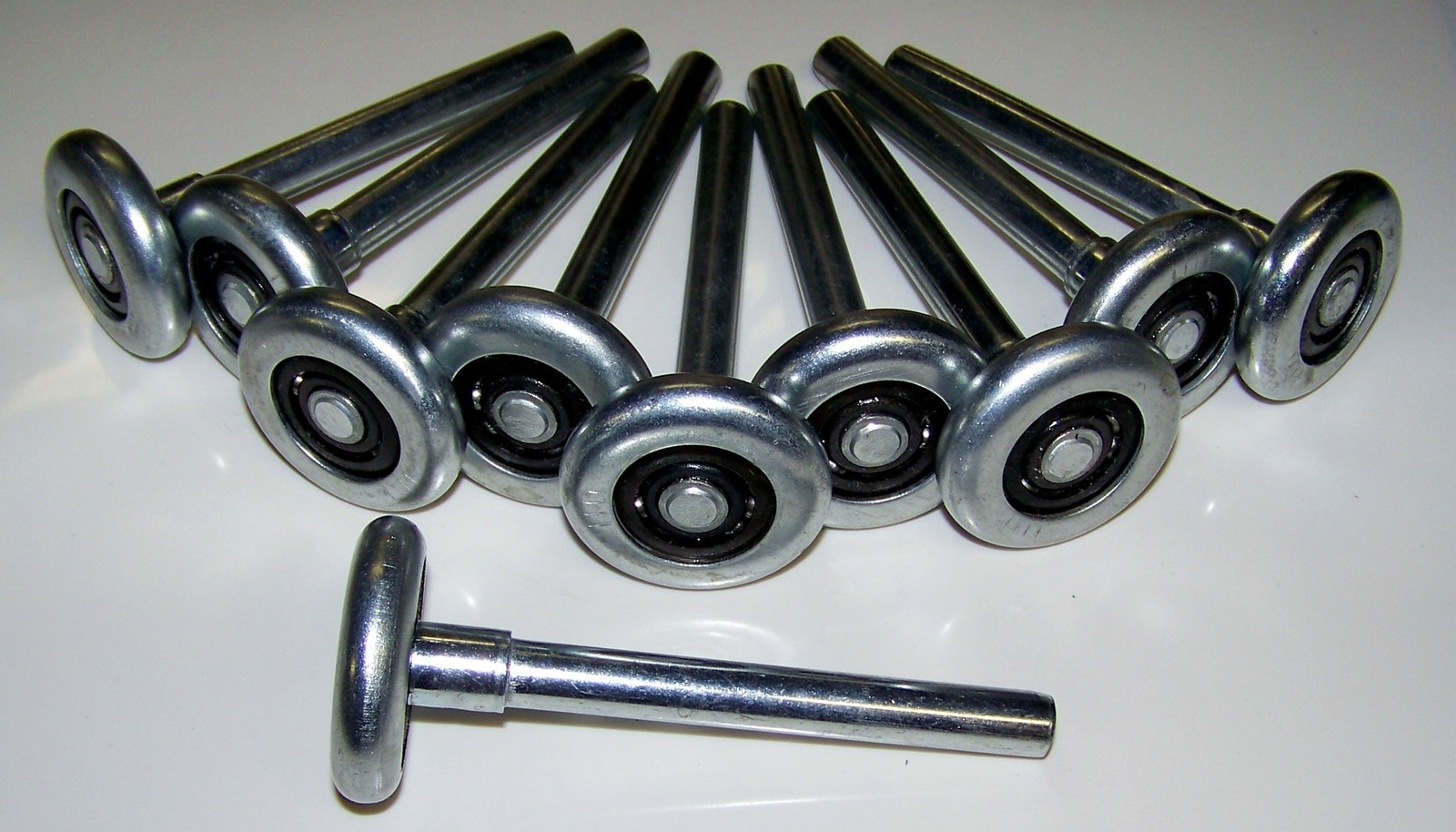
Garage door rollers are small wheels that run along the metal tracks on both sides of your garage door. Their main job is to help the door move up and down smoothly without friction or noise. Each roller is attached to a metal rod that fits into the door’s hinges.
When you press the remote to open your garage, the rollers glide up the track, pulling the door up easily. When you close it, they guide it back down gently. Without rollers, your garage door would be very hard to move.
Types of Garage Door Rollers
Not all garage door rollers are the same. They come in different materials and designs, each with its own advantages. Here are the most common types:
1. Plastic Rollers
Plastic rollers are the most affordable type. They are lightweight and easy to install. However, they wear out faster than metal or nylon rollers, especially if your garage door is heavy or used often.
Best for: Light garage doors or rental properties.
2. Steel Rollers
Steel rollers are strong and long-lasting. They can handle heavy garage doors easily and are great for durability. However, they can be noisy, especially if they don’t have ball bearings or proper lubrication.
Best for: Heavy-duty or commercial garage doors.
3. Nylon Rollers
Nylon rollers are the top choice for most homeowners. They are strong, smooth, and very quiet. They usually last much longer than plastic ones and need less maintenance than steel.
Best for: Residential garages where quiet operation is important.
4. Rollers with Ball Bearings
Some rollers include small ball bearings inside. These bearings reduce friction, making the door roll more smoothly. The more bearings a roller has, the quieter and longer-lasting it will be.
Tip: Always check the number of bearings — more bearings mean better performance.
Signs Your Garage Door Rollers Need Replacement
Like any other moving part, garage door rollers wear out over time. Here are a few signs that it might be time to replace them:
- The garage door makes squeaking or grinding noises.
- The door feels heavy or doesn’t move smoothly.
- The rollers look cracked, bent, or worn out.
- The garage door shakes or moves unevenly.
- You notice metal dust or shavings near the track.
If you see any of these signs, it’s best to replace the rollers before they cause bigger problems.
Tools You’ll Need for Installation
Before starting the installation, gather the right tools. You don’t need expensive equipment — just basic hand tools will do:
- A set of pliers
- A flathead screwdriver
- A wrench set
- A hammer
- A ladder
- Safety gloves and glasses
- New garage door rollers
Step-by-Step: How to Install Garage Door Rollers
Garage door installation isn’t as difficult as you might think. With a little patience and the right steps, you can replace or install garage door rollers yourself safely.
Step 1: Disconnect the Garage Door Opener
Unplug your automatic garage door opener to prevent any movement while working. Pull the emergency release cord so that you can move the door manually.
Step 2: Open the Garage Door Halfway
Lift the door halfway and secure it using a clamp or locking pliers under the bottom roller on the track. This will keep the door from sliding up or down while you work.
Step 3: Remove the Old Rollers
Use pliers to bend the track slightly open at one of the top ends. Slide the old rollers out of the track carefully. Be cautious — don’t force them out, as that could damage the track.
Step 4: Insert the New Rollers
Insert the new rollers into the hinges where the old ones were. Make sure the wheels fit snugly into the track but can still move freely.
Step 5: Close the Track
After installing the new rollers, use pliers to bend the track back into its original shape. The track should be tight enough to keep the rollers from slipping out but loose enough for smooth movement.
Step 6: Lubricate the Rollers
Apply a silicone-based lubricant on the roller bearings and along the tracks. This will help reduce noise and make your garage door operate more smoothly.
Step 7: Test the Door
Reconnect your opener and test the garage door several times. Watch how the rollers move — they should glide smoothly without shaking or noise. If you hear any squeaks, add a little more lubricant.
Maintenance Tips for Garage Door Rollers
Taking care of your rollers will extend their life and prevent damage to your garage door system. Follow these simple maintenance tips:
- Lubricate Regularly – Use a silicone or lithium-based spray on the rollers every six months. Avoid using grease or oil, as they attract dust and dirt.
- Inspect the Tracks – Keep the tracks clean and free from debris or rust.
- Tighten Bolts and Screws – Check all hardware regularly to ensure nothing has come loose.
- Replace Worn Parts Promptly – Don’t wait too long to replace damaged rollers or hinges.
- Avoid Slamming the Door – Always operate the door gently to reduce wear on the rollers.
Common Mistakes to Avoid
When installing garage door rollers, many beginners make small mistakes that can cause big problems later. Avoid these common issues:
- Forgetting to unplug the garage door opener.
- Using the wrong type of roller for your door.
- Not bending the track back properly.
- Using too much lubricant.
- Ignoring worn or broken hinges.
Taking your time and following instructions carefully will help you avoid these mistakes and get the best results.
Benefits of Replacing Garage Door Rollers
Replacing your old or damaged rollers can make a huge difference. Here are the main benefits:
- Quieter Operation: New rollers reduce noise when opening or closing the door.
- Smooth Movement: They prevent jerky motion and reduce strain on the opener.
- Longer Lifespan: Properly installed rollers can last up to 10–15 years.
- Energy Efficiency: A smooth door helps keep your garage sealed and improves insulation.
- Safety: New rollers reduce the chance of the door coming off track or getting stuck.
How Often Should You Replace Garage Door Rollers?
The lifespan of garage door rollers depends on their material and quality:
- Plastic rollers: 2–3 years
- Steel rollers: 5–7 years
- Nylon rollers: 10–15 years
If you use your garage door several times a day, check the rollers every year. Replacing them before they break can save you from costly repairs later.
When to Call a Professional
While it’s possible to replace rollers yourself, you should call a professional if:
- Your garage door is very heavy.
- The springs or cables also need repair.
- The tracks are bent or misaligned.
- You’re not comfortable working with tools.
Professionals can replace the rollers quickly and safely, ensuring everything is aligned and balanced.
FAQs About Garage Door Rollers
1. What are garage door rollers made of?
They are usually made of nylon, steel, or plastic. Nylon is the most popular because it’s quiet, smooth, and long-lasting.
2. How do I know which roller size I need?
Measure the diameter of your old roller’s wheel and the length of the stem (the metal shaft). Most standard residential doors use 2-inch rollers, but check your door’s manual to be sure.
3. Can I replace just one roller?
Yes, but it’s best to replace all of them at once. If one roller is worn out, the others are probably close to wearing out too.
4. Do I need to lubricate new rollers?
Yes. Even new rollers need lubrication to ensure smooth operation and prevent early wear.
5. How much does it cost to replace garage door rollers?
The cost depends on the material and brand. On average, nylon rollers cost between $4–$10 each, while steel or plastic rollers are usually cheaper.
6. Why is my garage door still noisy after replacing the rollers?
Noise can also come from hinges, springs, or the opener. Check these parts and lubricate them as well.
7. Are garage door rollers universal?
Not exactly. While many are standard sizes, some doors may need specific rollers based on brand or design. Always check your manual or consult a professional before buying replacements.
Final Thoughts
Installing or replacing garage door rollers is a simple but important part of keeping your garage door working its best. With just a few basic tools and a bit of time, you can make your door quieter, smoother, and more reliable. Regular maintenance — like cleaning, checking alignment, and applying lubricant — will help your rollers last for years.
If you follow the steps above carefully, you’ll not only save money on repairs but also enjoy a garage door that opens and closes effortlessly every day.