




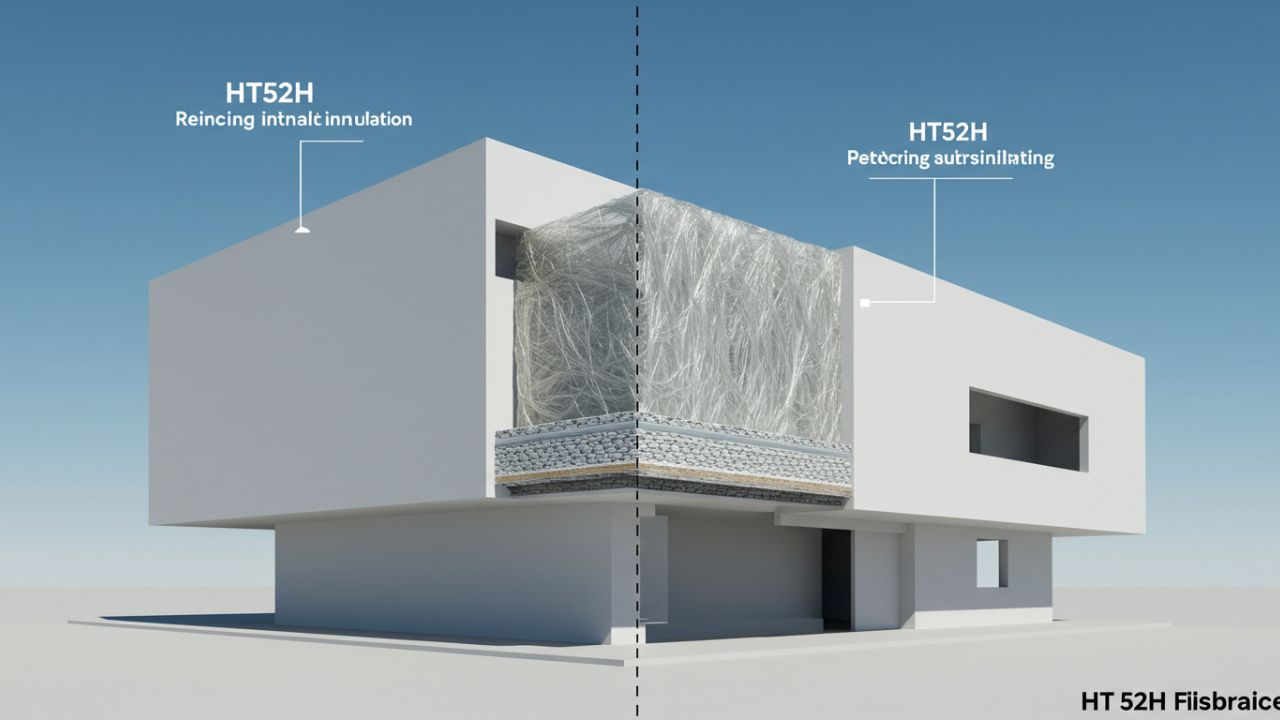
The construction industry is evolving at a rapid pace, and materials that once dominated the landscape are giving way to innovative alternatives. One standout contender in this shift is fiberglass HT52H. This advanced material has caught the attention of architects and builders alike for its remarkable properties. Whether you’re designing residential homes or commercial buildings, understanding the benefits of fiberglass HT52H can transform your approach to modern construction. Let’s dive into what makes fiberglass HT52H a game-changer in today’s building projects.
The Benefits of Fiberglass HT52H in Construction
Fiberglass HT52H brings a wealth of advantages to the construction table, setting it apart from traditional materials. Its lightweight nature makes handling and installation more efficient, reducing labor costs and project timelines.
Moreover, fiberglass HT52H boasts impressive durability. It can withstand harsh weather conditions without succumbing to rust or corrosion. This resilience ensures that structures maintain their integrity over time.
Fire resistance is another remarkable feature of fiberglass HT52H. It doesn’t ignite easily, providing an added layer of safety for building occupants.
Energy efficiency also shines with this material. Fiberglass HT52H offers excellent insulation properties, contributing to lower energy bills and a reduced carbon footprint in modern buildings.
The versatility in design opens up endless possibilities for architects to experiment with shapes and styles while maintaining structural strength. These benefits make fiberglass HT52H an appealing choice for contemporary construction projects looking for innovation without compromising quality.
Durability and Strength
Fiberglass HT52H stands out for its remarkable durability and strength. This material can withstand harsh environmental conditions without losing integrity.
Unlike traditional materials, fiberglass does not rust or corrode over time. This resistance enhances the lifespan of structures built with it.
Moreover, HT52H exhibits impressive tensile strength and impact resistance. It can handle heavy loads while maintaining structural stability.
This makes it an ideal choice for various applications, from commercial buildings to residential projects. Builders appreciate how fiberglass retains its form even under stress.
Additionally, using fiberglass reduces the risk of damage from natural elements like wind or rain. Its robust nature ensures that maintenance needs are minimal throughout its life cycle.
In a world where longevity is crucial in construction, fiberglass HT52H delivers exceptional performance consistently.
Fire Resistance
Fire resistance is a critical factor in modern construction, and fiberglass HT52H excels in this area. This material can withstand high temperatures without losing its structural integrity.
Unlike traditional materials that may warp or crumble under heat, fiberglass HT52H remains stable. Its inherent properties make it an excellent choice for buildings located in fire-prone areas.
Furthermore, its non-combustible nature helps to slow the spread of flames. This adds an extra layer of safety for occupants and property alike.
Building codes increasingly emphasize fire safety standards, making materials like fiberglass HT52H not just a preference but often a necessity.
Using fiberglass HT52H allows architects and builders to design spaces that prioritize both aesthetics and safety without compromise.
Energy Efficiency
Energy efficiency is a standout feature of fiberglass HT52H. This material has excellent insulating properties, which means it helps maintain consistent indoor temperatures.
A building made with fiberglass HT52H requires less energy for heating and cooling. This reduces reliance on HVAC systems, leading to significant energy savings over time.
Additionally, its lightweight nature contributes to lower transportation costs during construction. Less fuel consumption translates into a smaller carbon footprint throughout the project lifecycle.
Using fiberglass HT52H can also enhance overall sustainability efforts in modern construction. By minimizing energy use, builders contribute positively to environmental goals while delivering comfort and functionality.
As energy costs continue to rise, choosing materials like fiberglass HT52H becomes increasingly prudent for developers focused on long-term viability and cost-effectiveness in their projects.
Design Flexibility
Design flexibility is one of the standout features of fiberglass HT52H. Its versatility allows architects and builders to explore a wide range of creative possibilities.
This material can be molded into various shapes and sizes, accommodating unique project requirements without compromising structural integrity. Whether it’s curved facades or intricate details, fiberglass HT52H adapts beautifully.
The lightweight nature of this material simplifies transportation and installation. It opens up opportunities for innovative designs that may be challenging with traditional materials.
Moreover, its aesthetic appeal enhances both modern and classic architecture. Fiberglass HT52H can be finished in countless textures and colors, ensuring that every design vision comes to life seamlessly.
With such adaptability at hand, designers are empowered to push boundaries while delivering functional yet stunning constructions. This level of freedom transforms ordinary spaces into extraordinary environments tailored to their intended purpose.
Cost Effectiveness
Cost effectiveness is a crucial factor for any construction project. Fiberglass HT52H offers significant savings compared to traditional materials.
Its lightweight nature reduces transportation costs and facilitates easier handling on-site. This means lower labor expenses during installation.
Additionally, fiberglass HT52H boasts exceptional durability. Fewer repairs over time translate into reduced maintenance costs as well. Buildings constructed with this material require less frequent replacements and upkeep.
The energy-efficient properties of fiberglass HT52H also contribute to long-term savings. It minimizes heating and cooling expenses significantly, which can lead to substantial utility bill reductions over the years.
Investing in fiberglass HT52H today paves the way for financial benefits tomorrow. When you consider both initial investments and future operational costs, it stands out as a smart choice for builders aiming to optimize their budgets while ensuring quality.
Maintenance and Long-Term Savings
Maintenance of fiberglass HT52H is remarkably low. Unlike traditional materials, it doesn’t require frequent repairs or replacements. This durability translates into significant long-term savings for property owners.
The resistance to weathering and corrosion means fewer maintenance interventions are needed over the years. You can spend less time worrying about upkeep and more time enjoying your space.
Additionally, its energy-efficient properties contribute to reduced utility bills. When a building maintains consistent temperatures without heavy reliance on heating or cooling systems, costs decrease.
Investing in fiberglass HT52H means investing in longevity and performance. The upfront cost quickly pays off through savings across maintenance and energy expenses. It’s not just a material; it’s a smart financial choice for modern construction projects that aims to thrive sustainably over time.
Comparison to Other Construction Materials
When comparing fiberglass HT52H to traditional materials like wood, steel, or concrete, its advantages become clear. Unlike wood, fiberglass resists rot and pests. This makes it a more reliable choice for long-lasting structures.
Steel offers strength but can be susceptible to rust and requires coatings for protection. Fiberglass HT52H avoids these issues entirely while maintaining impressive durability. Its lightweight nature also means easier handling during construction.
Concrete is known for its robustness; however, it lacks versatility in design. Fiberglass HT52H allows architects greater freedom in creating innovative shapes without compromising structural integrity.
Additionally, the energy efficiency of fiberglass HT52H outshines many conventional materials by reducing thermal bridging and providing superior insulation properties. In this way, it stands as a frontrunner in modern building solutions while enhancing sustainability efforts across various projects.
Real-World Examples of Fiberglass HT52H Applications
Fiberglass HT52H is making waves across various sectors. Its versatility shines in commercial buildings, where architects often seek durable materials that can withstand harsh conditions.
One striking application is in the construction of stadiums. The lightweight yet strong properties of fiberglass HT52H allow for expansive roofing structures that support large crowds while maintaining aesthetic appeal.
Another impressive use is within marine environments. Boat manufacturers are utilizing this material for hulls due to its resistance to corrosion and impact, ensuring longevity and safety on the water.
In residential settings, builders favor fiberglass HT52H for window frames and doors. It offers excellent thermal insulation, keeping homes energy-efficient while reducing heating costs.
These examples illustrate how fiberglass HT52H continues to redefine standards in modern construction with real-world applications that enhance both functionality and design.
Conclusion: Why Fiberglass HT52H is the Optimal Choice for Modern Construction Projects
Choosing the right materials for construction is critical in today’s fast-paced environment. Fiberglass HT52H stands out as a top-tier option, offering an impressive array of benefits that cater to modern building needs. Its durability and strength mean structures can endure harsh conditions while minimizing maintenance costs over time.
The fire resistance properties add an essential layer of safety, making it suitable for various applications without compromising on aesthetics or performance. Energy efficiency is another key advantage, allowing buildings to reduce their carbon footprint and lower energy bills simultaneously.
Design flexibility makes fiberglass HT52H appealing for architects looking to push creative boundaries while maintaining structural integrity. When compared with traditional materials like wood and steel, fiberglass HT52H often proves more cost-effective in both initial investment and long-term savings due to its low maintenance requirements.
Real-world applications across different industries highlight its versatility—from commercial buildings to residential homes—showcasing how this material meets diverse architectural demands effectively. Fiberglass HT52H emerges not just as a choice but rather as the optimal solution for those aiming for quality, sustainability, and innovation in modern construction projects. The ongoing evolution of building practices aligns perfectly with the advantages provided by this remarkable material.