





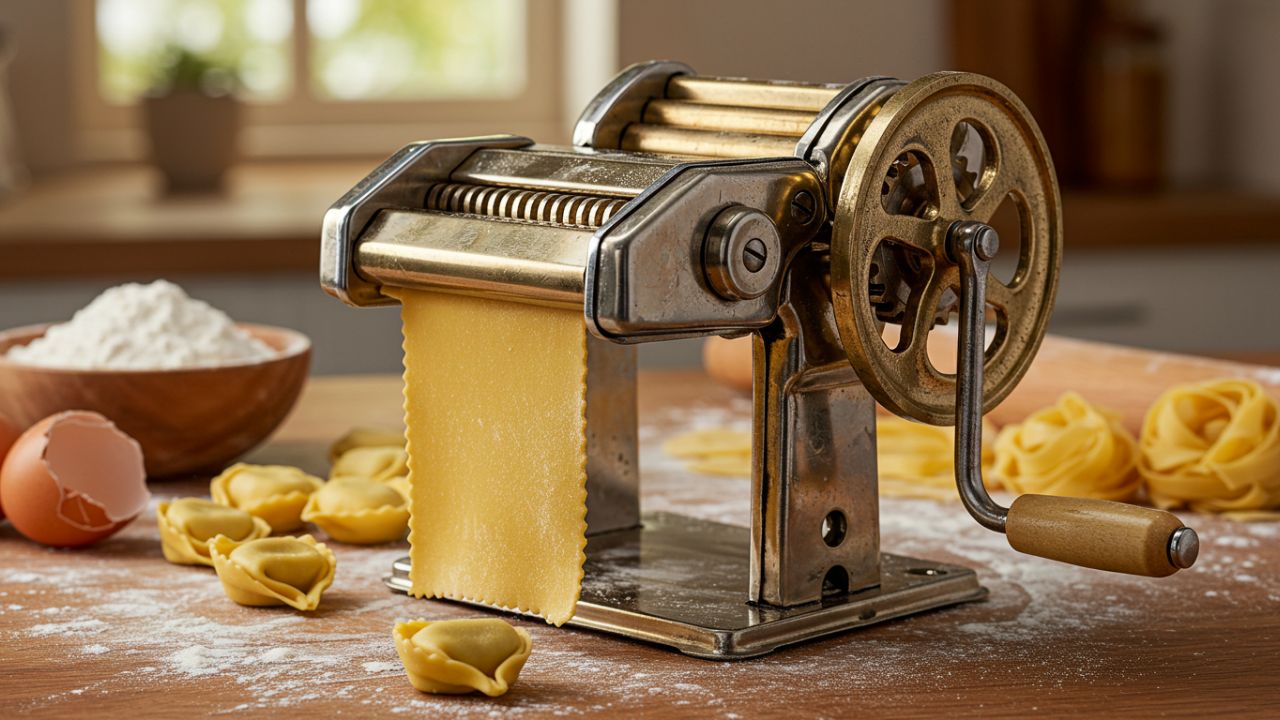
Italy’s culinary traditions have given the world many iconic dishes, but tortellini holds a special place among them. These delicate, ring-shaped pasta parcels filled with cheese, meat, or vegetables are loved worldwide. However, making them by hand is time-consuming and requires expert skill. This is where the tortellinatrice steps in—a machine designed to simplify and perfect the art of producing tortellini on a larger scale without sacrificing authenticity.
Understanding What a Tortellinatrice Is
The tortellinatrice is a professional pasta-making machine that specializes in forming tortellini. Unlike general pasta machines, it focuses specifically on the folding and shaping process, ensuring every piece comes out uniform and well-sealed. The goal of the tortellinatrice is not to replace tradition but to replicate the artisanal process in a way that saves time while maintaining quality.
While it is mostly found in restaurants, pasta shops, and commercial kitchens, smaller models are also available for home cooks who want to experiment with authentic pasta making.
Origins and Cultural Importance
Tortellini comes from the Emilia-Romagna region, particularly Bologna and Modena, where recipes have been passed down for centuries. In the past, families and chefs made tortellini by hand during special occasions and festive gatherings. But as demand for fresh pasta expanded, inventors created the tortellinatrice to allow pasta makers to meet growing needs while keeping the original shapes and flavors intact.
This machine is now considered essential in the modern pasta industry, enabling Italian cuisine to reach homes and restaurants worldwide.
How a Tortellinatrice Functions
A typical tortellinatrice works in stages:
-
Dough Preparation – Thin sheets of dough are fed into the machine.
-
Filling Distribution – A built-in dispenser places small amounts of filling onto each portion.
-
Cutting Process – The dough is cut into precise squares or circles.
-
Folding Mechanism – Each piece is folded and pressed into the tortellini’s signature ring shape.
-
Output – Finished pasta is released, ready to cook or package.
The process is quick, accurate, and consistent—ideal for businesses that need hundreds of tortellini every hour.
Why Choose a Tortellinatrice?
There are many reasons why pasta makers rely on this machine:
-
Time Efficiency – Produces large batches in minutes compared to hours of manual work.
-
Consistency – Ensures every tortellino is the same size and cooks evenly.
-
Customization – Adjustable settings allow different fillings, dough thickness, and pasta sizes.
-
Professional Results – Achieves a hand-crafted look while boosting productivity.
-
Cost-Effective – Reduces labor costs in restaurants and pasta factories.
For small family businesses and large pasta producers alike, the tortellinatrice represents both tradition and practicality.
Types of Tortellinatrice Machines
Not all models are the same. Depending on your needs, you can choose between:
-
Manual Tortellinatrice – Operated by hand, suitable for small-scale or experimental use.
-
Semi-Automatic Models – Combine some manual steps with automation for medium-scale kitchens.
-
Fully Automatic Versions – High-capacity machines ideal for commercial pasta factories.
This variety ensures that both home cooks and professional chefs can find a model that fits their production goals.
Tips for Selecting the Right Tortellinatrice
If you’re planning to buy a tortellinatrice, here are some key things to consider:
-
Production Scale – Home models differ greatly from industrial ones.
-
Ease of Cleaning – Machines with removable stainless-steel parts are more hygienic.
-
Durability – Choose trusted brands known for long-lasting equipment.
-
Budget – Costs can vary, so balance investment with your production needs.
-
Multi-Pasta Options – Some machines also create ravioli or cappelletti, offering extra versatility.
Investing wisely ensures you get a machine that serves your kitchen for years to come.
Maintaining Your Tortellinatrice
To keep the machine working efficiently, regular care is crucial:
-
Clean all dough and filling residues after every use.
-
Use food-safe lubricants if the manufacturer recommends them.
-
Check for wear and tear in moving parts.
-
Store in a dry environment to prevent rust.
-
Follow manufacturer instructions for servicing.
Well-maintained machines not only last longer but also guarantee food safety and consistent pasta quality.
The Tortellinatrice in Today’s Food Industry
Fresh tortellini in supermarkets, pasta served in fine dining restaurants, and even frozen ready-to-eat meals owe their existence to the tortellinatrice. By speeding up production while retaining authenticity, this machine has made it possible for traditional Italian cuisine to become accessible worldwide.
At the same time, chefs continue to experiment by using the tortellinatrice to create new fillings and flavors, proving that technology and tradition can work hand in hand.
Looking Ahead: The Future of Tortellinatrice
With technology advancing rapidly, future models may include digital controls, smart sensors that detect dough consistency, and eco-friendly energy systems. These innovations will make the tortellinatrice even more efficient and user-friendly, appealing not just to large producers but also to passionate home cooks.
Conclusion
The tortellinatrice has transformed the way tortellini is made, preserving Italy’s culinary heritage while meeting the demands of modern kitchens. From small-scale family restaurants to industrial pasta production, this machine provides consistency, efficiency, and authenticity. By choosing the right model and maintaining it properly, anyone can enjoy the art of tortellini-making with ease and precision.