





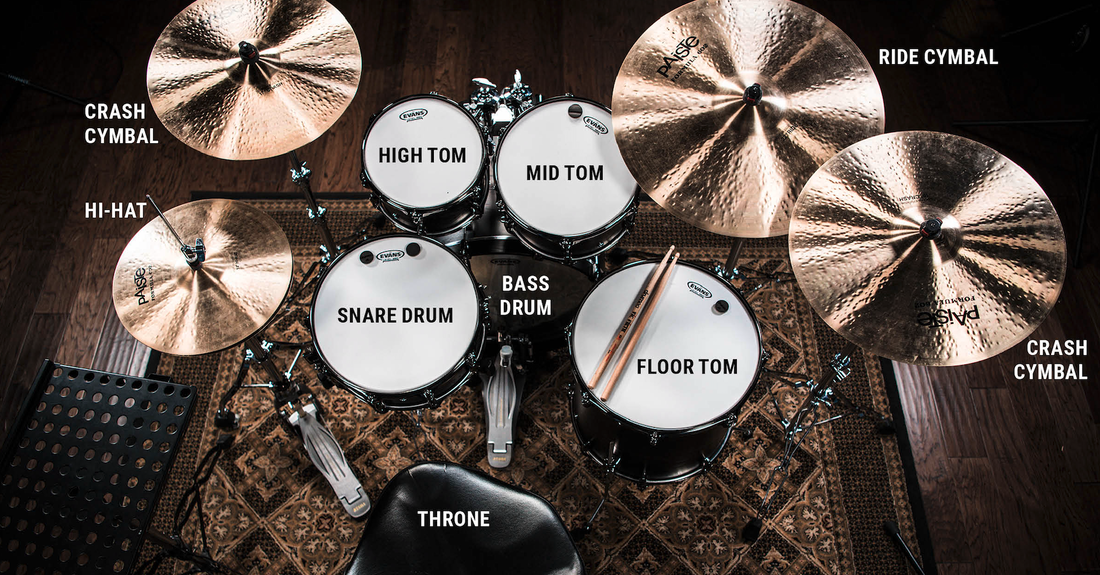
Drums are one of the oldest and most exciting instruments in the world. They create rhythm, energy, and emotion in almost every type of music. A modern drum set includes several parts — drums, pedals, stands, and cymbals. Among these, the pair of cymbals on a drum set plays a very special role. They bring brightness, accent, and texture to the sound. Let’s explore what these cymbals are, how they work, and why they are so important.
What Are Cymbals?
Cymbals are round, thin metal plates made from special bronze or brass alloys. They are designed to produce a ringing or crashing sound when struck. Cymbals come in different sizes, weights, and styles, each giving a different tone and purpose in music.
A musician who plays cymbals is called a cymbalist. Cymbals have been used for hundreds of years in many cultures. From ancient military bands to modern rock concerts, they have always been used to add excitement and power to music.
The Role of Cymbals in a Drum Set
In a standard drum set, cymbals are essential for keeping rhythm and adding musical expression. They are not just for decoration — each cymbal has its own voice and purpose.
Most drum kits include several types of cymbals:
- Hi-hat cymbals (a pair of cymbals on a drum set)
- Crash cymbal
- Ride cymbal
- Splash cymbal
- China cymbal
Each type produces a different sound. Together, they create the bright and dynamic top end of a drummer’s sound.
The Hi-Hat: The Pair of Cymbals on a Drum Set
When we talk about the pair of cymbals on a drum set, we are usually referring to the hi-hat cymbals. The hi-hat consists of two cymbals mounted on a special stand, one on top of the other. The drummer uses a foot pedal to open and close the pair, creating a variety of sounds — from a tight “chick” to a loose, sizzling wash.
How the Hi-Hat Works
The hi-hat stand has a rod connected to a pedal. When the drummer presses the pedal, the top cymbal moves down to meet the bottom one. This closing motion makes a sharp, clean sound called a “chick.” When the pedal is released, the top cymbal lifts, allowing the cymbals to ring freely.
This simple mechanism gives drummers amazing control over rhythm and tone. They can play the hi-hat with drumsticks, brushes, or even their hands to create different musical effects.
Types of Cymbals Found in Drum Sets
Although the hi-hat is the only pair of cymbals on a drum set, the kit usually includes other single cymbals that serve different purposes.
1. Crash Cymbal
The crash cymbal produces a loud, explosive sound used for accents and transitions. It’s usually between 14 and 18 inches in diameter. Drummers hit it with force to emphasize changes in the music.
2. Ride Cymbal
The ride cymbal is larger, typically around 20 to 22 inches. It creates a steady “ping” sound used to maintain rhythm. Many drummers use the ride cymbal instead of the hi-hat during slower or more open parts of a song.
3. Splash Cymbal
The splash cymbal is smaller, between 6 and 12 inches. It makes a quick, sharp sound. It’s often used for short accents or effects.
4. China Cymbal
The China cymbal has an upturned edge and creates a trashy, explosive sound. It’s often used in rock or metal music to add power and aggression.
Materials Used in Cymbal Making
Cymbals are made from metal alloys. The most common materials are:
- B20 bronze: 80% copper and 20% tin — gives a warm, rich sound.
- B8 bronze: 92% copper and 8% tin — creates a bright, cutting tone.
- Brass: Cheaper and softer, used in beginner cymbals.
Manufacturers like Zildjian, Sabian, and Paiste have their own secret alloy formulas and production techniques. The way a cymbal is hammered and lathed also affects its tone and volume.
How Cymbals Are Played
Drummers strike cymbals with drumsticks, mallets, or brushes. The sound depends on where and how they hit.
- Edge hits produce a loud crash.
- Bell hits (center area) create a sharp, ringing tone.
- Bow hits (middle area) give a smooth, balanced sound.
With the pair of cymbals on a drum set, drummers use their foot to open and close them while striking with sticks. This coordination between hands and feet adds groove and swing to the rhythm.
The Importance of Cymbals in Music
Cymbals shape the feel of a song. They control energy, mark transitions, and emphasize emotions. In jazz, the ride cymbal carries the rhythm. In rock, the crash cymbal adds power. In pop and funk, the hi-hat creates the pulse that makes listeners move.
Without cymbals, a drum set would sound flat and incomplete. They bring sparkle, dynamics, and life to the performance.
Famous Cymbal Makers
Some of the world’s most respected cymbal brands include:
- Zildjian: Founded in the 1600s in Turkey, now based in the USA. Known for professional-quality cymbals.
- Sabian: A Canadian company that produces a wide range of cymbals for all music styles.
- Paiste: A Swiss manufacturer known for bright, clear tones.
- Meinl: A German brand popular among modern drummers for its innovative designs.
Each company makes many cymbal types, giving drummers endless choices for sound and style.
Cymbal Sizes and Sounds
The size of a cymbal affects its pitch and volume.
- Smaller cymbals (under 14 inches) sound higher and faster.
- Larger cymbals (over 20 inches) sound deeper and ring longer.
For example, a 22-inch ride cymbal gives a full, resonant tone suitable for rock or jazz, while a 14-inch hi-hat pair offers crisp, precise sounds perfect for pop or funk.
Caring for Cymbals
Cymbals need proper care to maintain their tone and lifespan. Here are some simple tips:
- Clean regularly using a soft cloth or cymbal cleaner to remove fingerprints and dirt.
- Store safely on stands or in padded bags to prevent cracks.
- Avoid hitting too hard — this can damage the edges.
- Rotate occasionally on the stand to spread wear evenly.
Taking care of your cymbals ensures they stay shiny and sound great for years.
Choosing the Right Cymbals
When choosing cymbals, consider your music style, budget, and skill level.
- Beginners can start with affordable brass or B8 bronze cymbals.
- Intermediate players often upgrade to B20 bronze for better tone.
- Professionals select cymbals by ear, matching sound and feel to their musical taste.
Trying different sizes and models helps find the perfect combination for your setup.
The Sound of a Complete Drum Set
A full drum kit usually includes:
- Bass drum
- Snare drum
- Tom-toms (two or three)
- Hi-hat (the pair of cymbals on a drum set)
- Crash cymbal
- Ride cymbal
This mix gives a balance of deep, mid, and high sounds. The drums handle rhythm and tone, while the cymbals add sparkle and accents that cut through the mix.
Fun Facts About Cymbals
- Ancient cymbals were used in temples and military ceremonies.
- Some cymbals are handmade by skilled craftsmen who hammer them for hours.
- The largest cymbal ever made measured over 8 feet in diameter!
- A pair of hi-hat cymbals can produce over a dozen different sounds depending on how they’re played.
Cymbals may look simple, but they are full of history, craft, and creativity.
Frequently Asked Questions (FAQs)
1. What is the pair of cymbals on a drum set called?
The pair of cymbals on a drum set is called the hi-hat. It consists of two cymbals that open and close with a foot pedal.
2. How many cymbals are usually in a drum set?
A typical drum set includes at least three cymbals — a hi-hat, a crash, and a ride cymbal. Some drummers add more for extra sounds.
3. What is the difference between crash and ride cymbals?
The crash cymbal is used for loud accents, while the ride cymbal provides a steady rhythm with a lighter, sustained tone.
4. What metal are cymbals made from?
Most cymbals are made from bronze alloys, such as B20 or B8, which offer durability and rich tone.
5. How do you maintain cymbals?
Clean them gently, avoid hitting too hard, and store them in padded bags to prevent damage.
6. Who are famous cymbal brands?
Popular brands include Zildjian, Sabian, Paiste, and Meinl.
7. Can you use only one cymbal in a drum set?
You can, but it limits your sound options. A full set with multiple cymbals gives you more musical variety.
8. What size hi-hat cymbals are common?
Most hi-hats are 14 inches, but you can find smaller 13-inch or larger 15-inch versions depending on your taste.
9. Why are cymbals important in music?
Cymbals add brightness, emotion, and movement. They help mark changes in songs and make rhythms more interesting.
10. Can cymbals break?
Yes, cymbals can crack if hit too hard or mounted incorrectly. Always play with control and proper technique.
Conclusion
Cymbals are more than just shiny discs of metal. They are powerful musical tools that shape the sound and feeling of every performance. Whether it’s the soft “chick” of the hi-hat or the roaring crash of a 22-inch cymbal, they bring life and character to every beat.
Understanding the pair of cymbals on a drum set helps new drummers appreciate the beauty and skill behind every rhythm. With care, practice, and the right choices, cymbals can turn an ordinary drum kit into a rich, expressive musical instrument.